 Crystal Clear Cleans
Office cleaning in London, set up as a regular contract
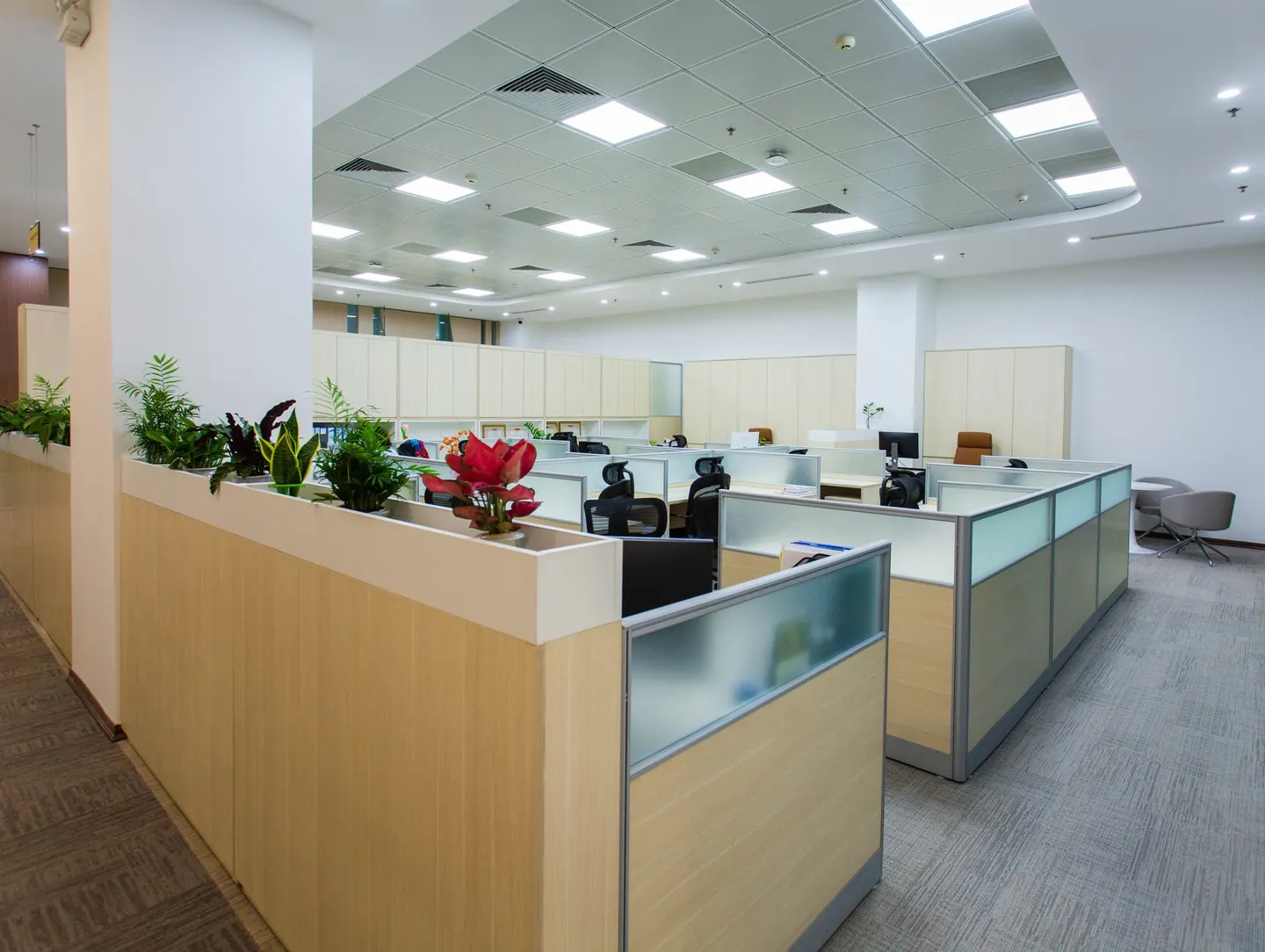
What's included
Desks and work surfaces
Clear desks wiped down, along with meeting tables, shelves and window sills. Monitors, keyboards and phones are dusted or wiped if the specification says so. Paperwork left out stays where it is.
Washrooms
Toilets, basins, taps, mirrors, partitions and floors cleaned. Soap, paper towels and toilet rolls restocked from the supplies you keep on site, so the specification should say where they're stored.
Kitchen and tea point
Worktops, sink, taps and appliance fronts cleaned. The microwave wiped inside, and the fridge cleared and wiped on whatever interval you choose. Mugs and dishes washed or loaded into the dishwasher if you want that.
Floors
Carpets and rugs vacuumed, hard floors swept and mopped. Entrance mats and the reception area are listed separately in the specification, because they take the most traffic.
Bins and waste
Desk and kitchen bins emptied, liners replaced, and the bagged waste taken to the bin store or collection point your building uses. Recycling kept separate where you separate it.
Touch points
Door handles, light switches, push plates, lift buttons inside your space, and the handles on shared cupboards and fridges wiped on every visit.
What's not included
Worth knowing before you book, so nothing on the day is a surprise.
- Exterior windows. We don't offer window cleaning, so outside glass needs a specialist window cleaner.
- Common parts of a multi-let building, such as shared entrance halls, stairs and lifts. We don't offer communal or block cleaning, and those areas usually fall to the landlord's managing agent.
- Upholstered chairs and sofas. We don't offer upholstery cleaning. Carpets and rugs are a separate service with its own quote.
- Clinical decontamination or instrument processing in healthcare premises. That isn't part of a cleaning contract.
- Moving heavy furniture, IT equipment or filing cabinets to clean behind them, unless it's written into the specification.
What changes the price
Quoted per visit. Tell us the rooms, how often you want a clean and your postcode, and we'll send you a written price.
- How big the space is and what's in it: how many rooms, washrooms and kitchens, and whether it's open plan or split into offices.
- How often you want a visit, which days, and whether any of them fall at the weekend.
- Whether the kitchen and washrooms need restocking on every visit, and where the supplies are kept.
- Any tasks that come round less often, such as fridge clear-outs or high dusting, and how often they fall due.
- How the building is accessed out of hours: keys, fobs, an alarm, or a concierge or security desk.
A contract clean is a regular visit to your premises on agreed days, at an agreed time, against a written list of what gets cleaned and how often. Most of the work of setting one up happens before the first visit. You agree the specification, the visit times, and how the cleaners get in and out of a locked building. After that, you need a way to change the list when the office changes.
This page goes through each of those steps. If you're looking at a particular kind of premises, there are separate guides on office cleaning in Uxbridge, dental practice cleaning and yoga studio cleaning.
Looking at the space first
The quote form asks for the rooms, how often you want a visit, and your postcode, and that is often enough for a written price. Where the layout is unusual or the building has an access routine of its own, we can come and look before quoting. It's the easiest way to see the route from the entrance to the bin store, where the cleaning cupboard would go, and which rooms are off limits, none of which shows up in a floor area.
Agreeing the written specification
Regulation 9 of the Workplace (Health, Safety and Welfare) Regulations 1992 requires every workplace, and the furniture and fittings in it, to be kept "sufficiently clean". The HSE's code of practice adds that how often a place is cleaned depends on the nature of the business. That leaves the detail to you, and the specification is where you write it down.
A useful specification is a table. Each row is a room or area, then the tasks in it, then how often each task is done: every visit, weekly, monthly. A kitchen used all day will have more rows than a meeting room booked twice a week. It's also where you record the decisions that are easy to forget:
- who supplies soap, paper towels, toilet rolls and bin liners
- rooms the cleaners should not enter, such as a server room or a locked records store
- anything left on desks that should be left alone
- products you want used, or avoided because someone in the office reacts to them
Keep one copy each. A cleaner covering a visit reads the same page as the regular team, and it's the document you'd show if anyone asked how the premises are kept clean. The Uxbridge office cleaning guide goes further into what the regulation and the code of practice say, if you want the legal detail.
Choosing when the visits happen
Visits can be booked between 6am and 10pm, seven days a week. An evening visit suits an office that empties at a predictable time, while an early start works better where people stay late or you want the kitchen and washrooms fresh for the morning. A weekend visit can take the tasks that need empty rooms, such as moving chairs to vacuum under desks.
The right slot depends on your building as much as your staff. Some buildings lock their front doors at a set hour or switch the lifts to fob-only. Others have a security desk that needs notice of contractors. Tell us those rules at the start, and the agreed visit time goes into the specification.
Keys, alarms and access
Out-of-hours cleaning means someone outside your organisation holding a way into your premises, so it's worth agreeing the details in writing:
- how many keys or fobs are issued, who issues them and who signs for them
- whether the cleaners get their own alarm code, so their entries can be told apart from your staff's, and what to do if the alarm is triggered
- who to call if a door won't lock, a window has been left open, or something looks wrong on arrival
- how the premises are left: lights off, windows shut, blinds down, alarm set
- when keys come back, for example when a cleaner leaves or the contract ends
If your building has a managing agent, they may have their own contractor rules or sign-in book. Ask for them early, because they can decide which visit times are possible at all.
When the specification needs to change
When a team moves onto another floor or a meeting room is turned into storage, the specification should change with it, and that works best in writing. Send the change, ask for an updated specification back with a revised quote if the price moves, and agree it before it starts on site. The next cleaner through the door won't have heard a spoken request.
It's also worth reading the specification again every so often, even if nothing has obviously changed. A task set weekly when the office opened may now need doing on every visit, or the other way round.
The kind of premises we clean
Our commercial clients include a dental practice in Uxbridge and a yoga studio. Both show why the specification matters: a dental practice's cleaning schedule is part of what its inspectors look at, and a studio floor has its own rules about water and products. The dental practice and yoga studio guides cover those in detail.
Crystal Clear Cleans works across the London Boroughs of Hillingdon, Ealing and Hounslow (areas we cover). The same cleaners go back to the same premises wherever we can, so the people holding your keys already know the building.
Clinical and healthcare premises
A dental practice, a GP surgery or a clinic is a workplace like any other for most of its floor area, and then it isn't. Two things change.
The first is that the frequencies are set for you. Health Technical Memorandum 01-05 puts the patient treatment area on a clean after every session, floors and exposed surfaces on a daily interval including floors well away from the chair, and blinds, ventilation fittings, shelving and radiators on a weekly one. A specification for a clinical building starts from those intervals rather than from what suits the visit pattern.
The second is that the paperwork is part of the job. The CQC's dental guidance asks a cleaning contractor to hold a schedule of general cleaning with the frequency of specific areas, fixtures and fittings written into it, including high frequency touch items such as keyboards, telephones, door handles and light switches. The duty to be clean sits on the practice under regulation 15 of the 2014 Regulations, which is exactly why the contractor's document matters: a thin cleaning arrangement becomes the practice's finding, even though a contractor did the work.
What we clean in a clinical building is the environment: treatment room surfaces and floors, the decontamination room's floors and general surfaces, reception, waiting area, WCs, staff room and corridors, and the touch points the CQC names. What stays with the practice is anything that is part of the decontamination process itself. Instrument processing, the ultrasonic bath, the washer-disinfector and the autoclave are not a cleaning contract's work, and nor is handling or moving clinical waste or sharps beyond the practice's own procedure.
Our dental practice cleaning guide sets out the standards in full, with the frequency table and a list of what to ask any contractor before you sign. For a price, tell us how many surgeries or consulting rooms there are, your session pattern, whether there is a decontamination room, and how the building is accessed outside opening hours.
Getting a quote
Get a free quote by telling us the rooms, how often you'd like a visit, the times that suit, and your postcode. Mention how the building is accessed out of hours, even if it isn't settled yet. You'll get a written price back, and we can arrange to see the space first if it helps.
Facts and where they come from
Each one names its source.
- The cleanliness duty
- Regulation 9(1) of the Workplace (Health, Safety and Welfare) Regulations 1992 says every workplace, and the furniture, furnishings and fittings in it, shall be kept sufficiently clean.
- Source: legislation.gov.uk
- Frequency depends on the business
- The HSE's Approved Code of Practice L24, paragraph 90, says workplaces should be regularly cleaned so dirt or refuse doesn't accumulate, and that the frequency and standard of cleanliness will depend on the nature of the business.
- Source: hse.gov.uk
Common advice that is wrong
-
False
“Office cleaning is a nice-to-have, not something the law has an opinion on.”
It is a duty in regulations. Every workplace, and the furniture and fittings in it, must be kept sufficiently clean.
Regulation 9(1) of the Workplace (Health, Safety and Welfare) Regulations 1992 states that every workplace, and the furniture, furnishings and fittings in it, shall be kept sufficiently clean. That is a duty on the employer, not a recommendation, and it covers the fittings as well as the floors. The regulations do not set a frequency, which is the part that gets misread as leaving it optional.
Source: legislation.gov.uk
-
False
“One weekly visit is the standard, so any office can be booked the same way.”
The HSE ties frequency to the business. Its Approved Code of Practice says the standard depends on the nature of the work.
The HSE's Approved Code of Practice L24, paragraph 90, states that workplaces should be regularly cleaned so dirt or refuse does not accumulate, and that the frequency and standard of cleanliness will depend on the nature of the business. A quiet two-desk studio and a shift-worked call centre are not the same job on a different address. Tell us the headcount and the hours and the schedule is built from those.
Source: hse.gov.uk
Common questions
Other cleaning services
Residential cleaning
Regular cleaning of kitchens, bathrooms and living areas, as often as you need it.
What it involvesDeep and detailed cleaning
For built-up grease and limescale, and the spots a regular clean skips.
What it involvesEnd of tenancy cleaning
Move-out cleans for tenants, landlords and letting agents, ready for the inventory check.
What it involvesLandlord and letting agent cleaning
Cleans between tenancies for landlords and letting agents, so the property is ready for the next occupants.
What it involvesAirbnb turnaround cleaning
Quick cleans between guests, including changing the linen and setting the place up.
What it involvesPost-construction cleaning
We clear the fine dust, debris and residue left after building or refurbishment work.
What it involvesTell us about the property
Send us the rooms, how often you want a clean and your postcode, and we'll reply with a written price.
Coverage
Hillingdon, Ealing and Hounslow
Hours
Mon to Sun, 6am to 10pm